《春天spring》是一部描述高中生成长经历的影片。只是谈剧情的话未免有些无聊,源于我们也熟悉那样的经历:与朋友在一起时的快乐,对高中生活的一成不变感到烦躁,对进入大学的憧憬等。即便如此,本片以简单而温馨的手法表现了这独特的阶段。虽然主演的挑选让人有点出戏,但不失为抚平一天的不好情绪的好片。
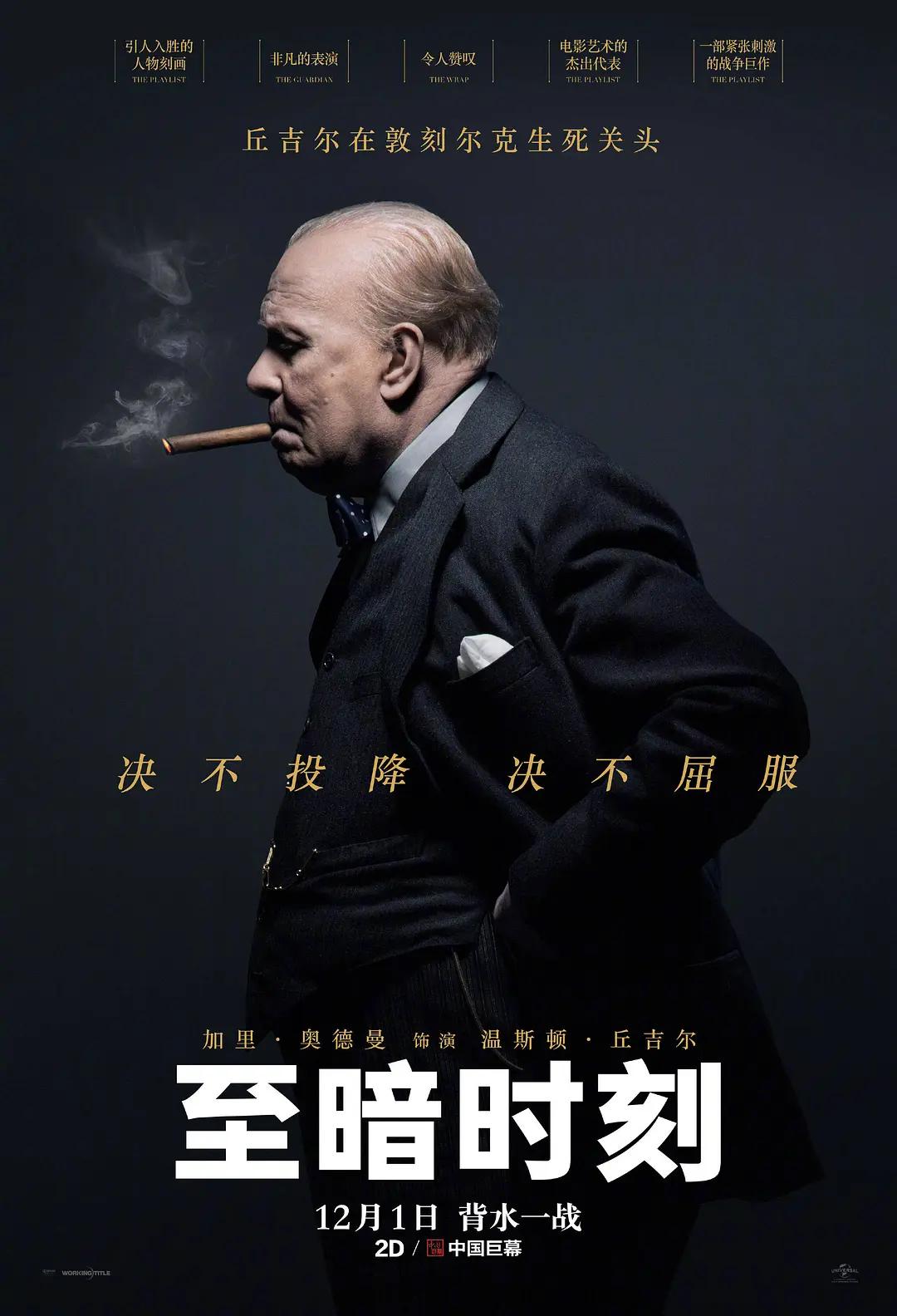
影片讲述英国首相丘吉尔在作为首相期间面临的最重要的审判:是向纳粹妥协做俘虏,还是团结人民群起反抗?丘吉尔将集结整个国家为自由奋战,试图改变世界历史进程,度过黎明前的黑暗。
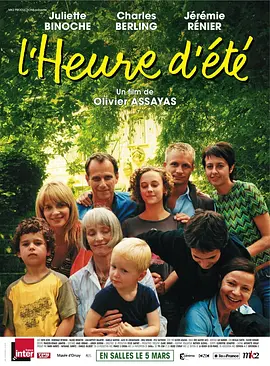
三兄妹齐聚乡下为母亲Hélène(Edith Scob 饰)七十五岁生日庆祝,一家三代子孙满堂其乐融融。饭后母亲却对长子Frédéric(查尔斯·贝尔林 Charles Berling 饰)提及到自己死后如何处理遗产的事情,Frédéric有点烦躁,不愿母亲提起这个话题。然而Hélène坚持把所有的物件下落安排好,她告诉儿子这间祖屋将会卖掉,她用一生去尊敬的叔叔、画家保罗的的画作又该如何处理等等,Frédéric则坚持这件屋子将会被保留下来,留给孩子们去传承下去。 几个月后,Hélène去世,一直在巴黎生活工作的Frédéric希望能保留祖屋,然而即将举家迁往中国工作的弟弟Jérémie(杰瑞米·雷乃 Jérémie Rénier 饰)和即将去纽约结婚组织家庭的妹妹Adrienne(朱丽叶·比诺什 Juliette Binoche 饰)因为不会再回到巴黎而赞成把祖屋卖掉。一切都如母亲所说的一样。Frédéric无奈地接受并着手处理事情。 在屋子出手的最后一个月,Frédéric的孩子们在祖屋开了一个盛大的派对,青春在这里上演,对祖辈感情的传承也许将以另一种方式延续下去。
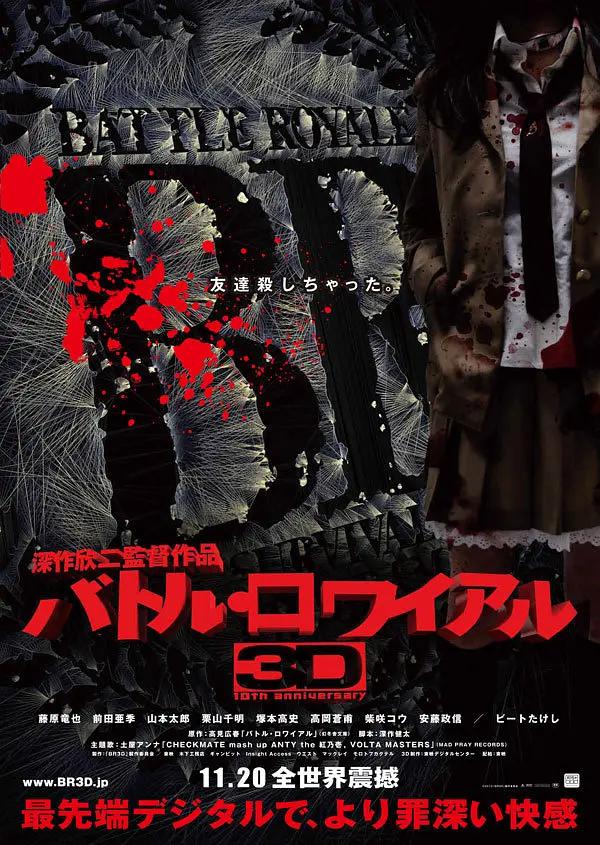
为了培养出忠实效忠于成人、在逆境中坚忍不拔的青少年一代,日本政府出台《BR》法案。每年都从全国学校随机抽出一个班级的同学,前往荒岛进行生存极限挑战——老师发给学生地图、粮食和各式武器,令他们自相残杀,直到存活下来的最后一个,才能离开荒岛。接下来,残酷的游戏规则和令人绝望的生存条件,使班级里的年轻人开始了相互杀戮。善良或者凶残,主动出击或者被动防守, 同学们开始了各自的计划,人性的丑恶在血腥的死亡中暴露无遗。 大逃杀的游戏在荒岛上壮烈上演。究竟学生们的宿命如何,谁才是最后的存活者。
咖啡厅里的私情
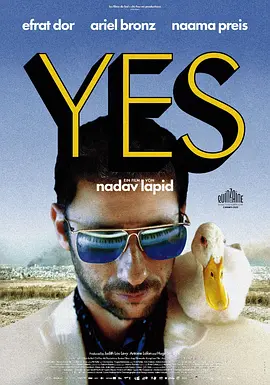
富豪私人派对上,一对男女忘我炒热气氛,只要金主敢玩,他们十倍奉还。白天,两人栖居小公寓照料幼子,她靠教舞维生,他则是潦倒音乐家。然而,手机里传来的加沙炼狱景象使他们焦虑,周遭人们却欢庆着血流成河,他们为了温饱,继续出卖灵魂。某夜,他收到酬劳可观的邀约,却必须将金主写下的魔鬼诗篇谱成新国歌。为了五斗米,他决定深入国族的集体创伤,寻找主旋律。
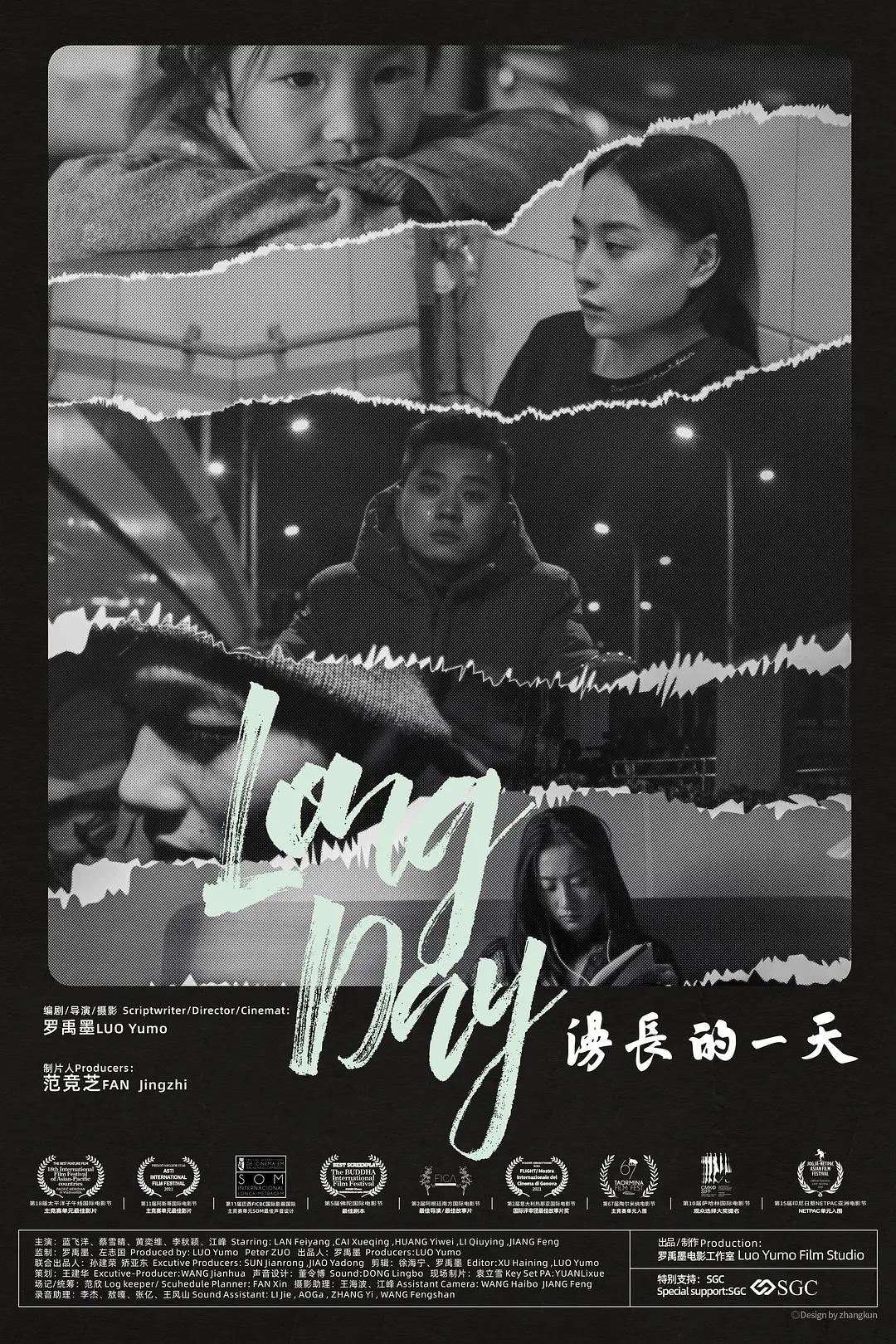
以冬日的北方某城市郊区为背景,以非线性的方式讲述了一天之内发生在几个小人物之间的悲伤故事。
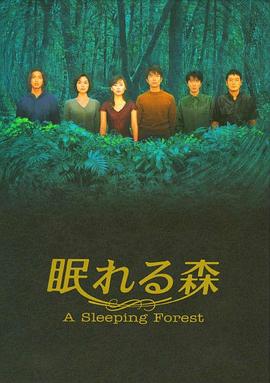
1983年的平安雨夜,福岛御仓市议员一家遭人杀害,12岁的次女成为唯一幸存者。遇害长女的男友被以凶手身份逮捕,获释后销声匿迹。 15年后的东京,在兰园工作的大庭实那子(中山美穗 饰)与男友滨崎辉一郎(仲村徹 饰)婚期将近。对童年仅存模糊记忆的她一直认为家人是在车祸中丧生。乔迁新居前,实那子整理出了一封儿时的匿名情书,约定在她27岁那年两人在故乡的沉睡森林相见。独自赴约的实那子在森林中见到了名为伊藤直季(木村拓哉 饰)的年轻男子,后者竟对她15年来的生活了如指掌。返回东京后,实那子发现直季阴魂不散的出没在自己身边。更令她惊恐的是,自己曾坚信的童年记忆随之出现了裂痕,平静的生活假象也被彻底打破。15年的纠葛与羁绊,隐藏在罪恶背后的冲击性真相竟会是……?! 本剧曾获第十九回日剧学院赏最优秀作品赏、主演男/女优赏、监督赏、脚本赏等8项大奖。
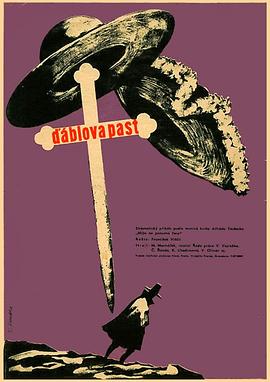
In the time of Counter-Reformation, a miller and his son come under investigation by a priest of the Inquisition, when rumors spread that their prosperity comes from working with the Devil. The Devil's Trap is a film directed by František Vláil, based on a novel by Alfréd Technik, adapted by František A. Dvorák and Miloš Kratochvíl. It was the first of three historical dramas that Vláil made during the Czech New Wave (technically he isn't really a part of the New Wave, however these films were made during the same era of artistic freedom), preceding his more well known Marketa Lazarová (1967) and Valley of the Bees (1968). Set in the late 16th Century during the Catholic Reformation, in the Moravian Karst, situated in what is now the Eastern Czech Republic, it tells the tale of a miller (Vítezslav Vejrazka), and his son Jan (Vít Olmer), who come under suspicion and are investigated by a Jesuit priest of the Inquisition (Miroslav Macháchek), when rumors of witchcraft are spread by the local regent (Cestmír Randa), who is jealous of the miller's prosperity and degree of respect among the local populace. As expected from Vláil, this film is a stunning experience all the way through. From the opening shot, an ominous manipulation of perspective with a close up of a mangled figure of Christ dominating the foreground against a tiny figure in black walking along the horizon, to the breathtaking confrontational finale inside the vast stalactite filled Karst caverns, it is a wonderful display of visual mastery. Maybe not quite as impressive as Marketa Lazarová, but still full of astonishing imagery. As seen from unique angles and distinct points of view which highlight the director's remarkable sense of awareness of framing, motion, and positioning on the emotional and dramatic tone of the scene. The most memorable being a repeated shot where the camera is suspended and launched with speed through the air towards the miller's door. The story here is a simple one and I would say more accessible than his later works. With a conventional structure emphasized as much by its plot and characters, than by its expressionistic cinematography or authentic historical detail. The events play out without much surprise, and there is a strong underlying, almost supernatural, mysterious aspect that is left unresolved, in fact barely explored, which is slightly disappointing, but only because it's so fascinating that I wish there was more. Acting is great all around. Particularly the villains Miroslav Macháchek as the priest, casting a sinister and imposing shadow wherever he goes, and Cestmír Randa as the weasel like regent behind all the persecution. While Vít Olmer brings a charismatic leading man presence in his role as the miller's son Jan, in love with the lovely orphan girl Martina (Karla Chadimová), who becomes a dangerous object of rivalry between Jan and other young men of the village. The film also features the evocative music of Zdenk Liška (perhaps the most prolific composer of the Czech New Wave). In this his second of eleven collaborations with Vláil, his compositions are used sparingly, but to great effect, complimenting but never overpowering a scene. The best example of which can be heard in an amazingly shot celebration and dance sequence at the end of the second act. The Devil's Trap might not be a masterpiece, but it is still a strong effort, with a fascinating straightforward story and a glorious historical setting captured beautifully by Vláil's unmistakable visual prowess. A fine work that would also be the perfect starter plate to prepare yourself for the challenging feast of Marketa Lazarová or The Valley of the Bees. It even has an easy to digest running time. It's therefore puzzling why this gem remains largely overlooked and ignored.
暂无简介
本片聚焦三个家庭——一对热情的新婚夫妇,一对意见不合的父女和一对收拾残局的母子。新婚夫妻感情出现危机,丈夫时常殴打妻子,让岳父岳母很担心女儿的状况,但为何报警无效?不合的父女则是因为女儿爱上了63岁的老男人,这让比女婿还小的父亲如何接受?而第三对则是住院的母亲即将出院,儿子为家里请了一个小保姆,尽管母亲阻止,但他依然爱上了她。三段故事,三种不同的情感与抉择,它们会如何交织在一起?
电影根据蕾切尔·约德的同名小说《夜母》改编,原作入围了美国笔会/海明威奖。讲述了一位新晋为母亲的女性艺术家,在全职照顾孩子时越发孤独焦虑的故事。在她眼里,自己从来都不是一个母亲,既然现在成了母亲,就一定要成为快乐的那个。经过多番努力与尝试后,她发现只有变身母狗可以实现这一愿望。
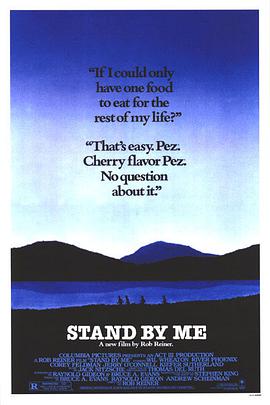
这是一部关于成长的电影。著名作家戈迪(理查德•德莱福斯 Richard Dreyfuss 饰)回忆起他12岁时的一次冒险活动:当时,年少的戈迪(威尔•惠顿 Wil Wheaton 饰)与他的三个小伙伴克里斯(瑞凡•菲尼克斯 River Phoenix 饰)、泰迪(科里•费尔德曼 Corey Feldman 饰)和维恩为了当一回“英雄”去河的对岸的森林里寻找一具12岁男孩的尸体。 4个少年家庭各有问题,他们都有自己的心事。在旅程中每个人的性格都被体现得淋漓尽致:四个男孩性格中的软弱和坚强,在闪火车,翻铁门,越森林等一系列的行动中被最大限度的放大;每个人都有自己可望而不可及的梦想…… 1987年金球奖最佳电影、最佳导演提名,1987年奥斯卡奖最佳编剧提名